How are we arriving?
Body, mind and mood. We notice their energy and choose a starting point.
UNCOMMON KIDS / WITH TEACHER BRON
For the child who moves a mile a minute. The child who needs a little longer. And the child still finding their own way.
Individual movement coaching shaped around how your child learns, what sparks their curiosity and what helps them feel ready to try.
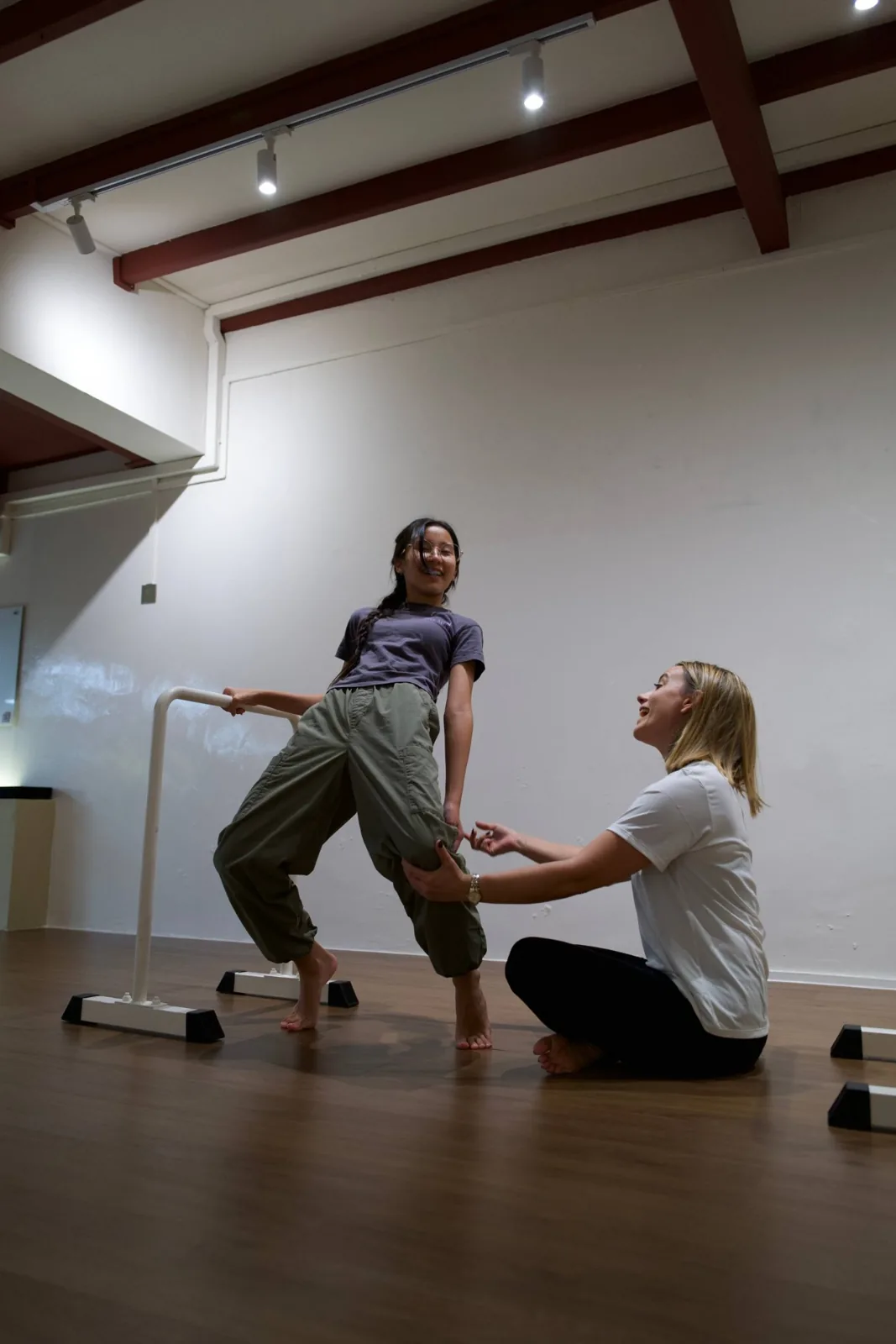 REAL PLAY. REAL LEARNING.
THE CHILD COMES FIRST
Some children need to watch first. Some need to move before they can listen. Some need a game worth paying attention to.
I look for a way in. We might build a world, invent a challenge or turn a favourite interest into a reason to move. The play is fun. The coaching behind it is intentional.
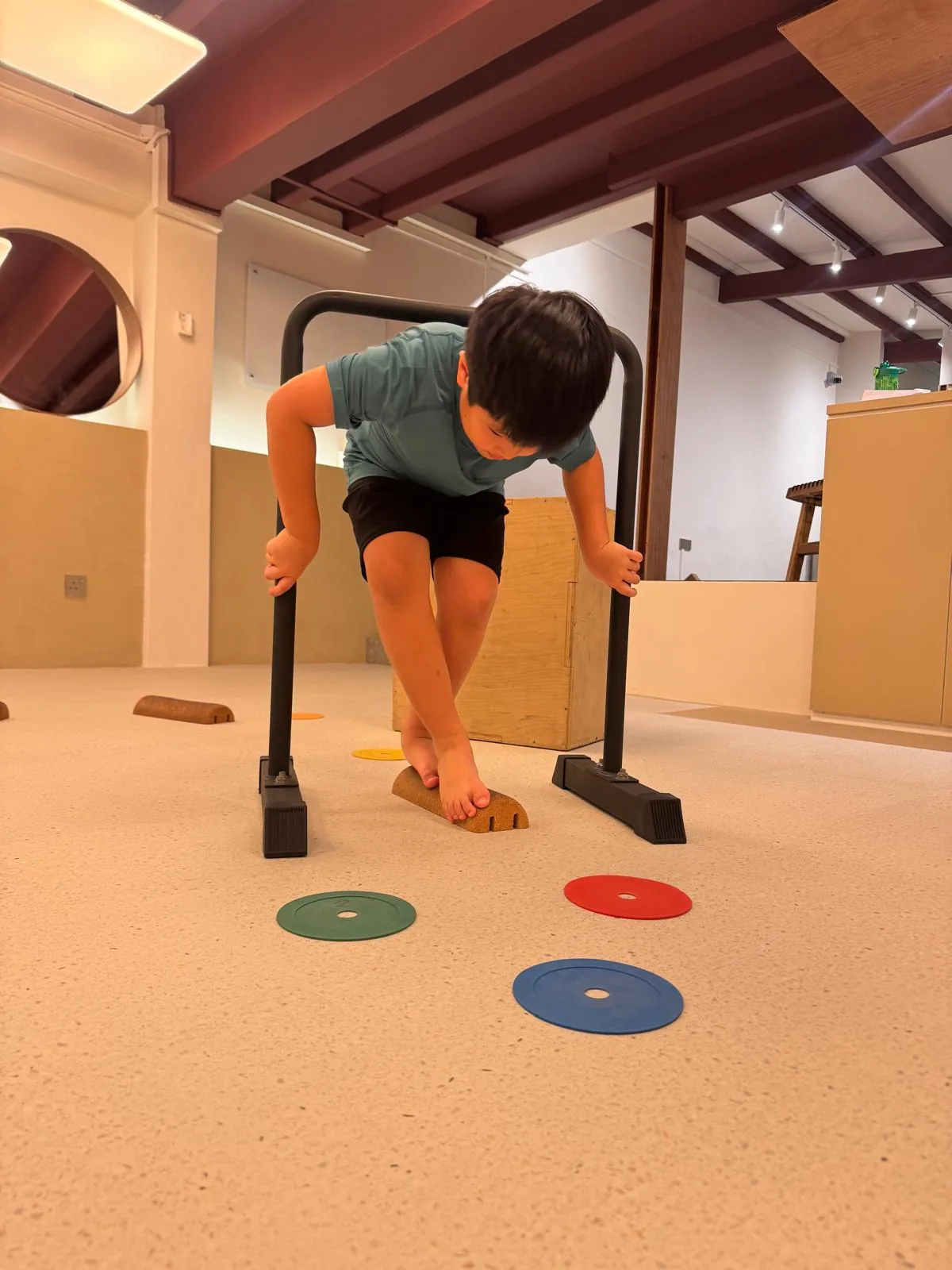 IT MIGHT LOOK LIKE PLAY. IT IS.
INSIDE A SESSION
Body, mind and mood. We notice their energy and choose a starting point.
Balance, climbing, memory sequences, movement puzzles. A challenge with choices and room to adapt.
A small win, a tricky moment, a different solution. We make space to notice progress.
THE PLAY FRAMEWORK
Physical, mental, emotional and social skills.
All part of the same little human.
“I know my body.”
Noticing energy, finding balance, becoming aware.“I take care of my body.”
Building useful strength, control and movement habits.“I can find another way.”
Planning, adapting, problem solving and trying again.“I want to move.”
Curiosity, choice and a relationship with movement that feels good.A PLACE FOR THEIR KIND OF ENERGY
I coach neurotypical and neurodivergent children, including children with ADHD, autism, dyspraxia and sensory differences.
Tell me what interests your child, what overwhelms them and what has helped before. That information is part of the coaching, every session.
We practise regulation, attention and confidence through movement. How those skills show up elsewhere is individual to each child.
PARENT QUESTIONS
No. We can start with a game, a puzzle or something they’re fascinated by. They don’t need a sporting background to explore movement.
Tell me about their interests, communication, sensory needs and previous experiences. We’ll discuss how to adapt the approach and whether this is the right fit.
The current youth programme is for ages 4 to 14. The challenge is shaped around the child’s stage and interests. For a child outside that range, ask us about suitability.
The current one-to-one format is 60 minutes. Activities and pacing change in response to your child that day. We may balance, climb, crawl, solve a movement puzzle, or take a moment to reset.
Message the studio with a little about your child and what you hope they’ll get from coaching. We’ll explain the movement assessment and next steps.
YOUR NEXT MOVE
Tell me a little about your child: what they love, what they find tricky, and what you hope they’ll discover.
Let’s start a conversationEnquiries go to the team at Uncommon Movement Studio.